
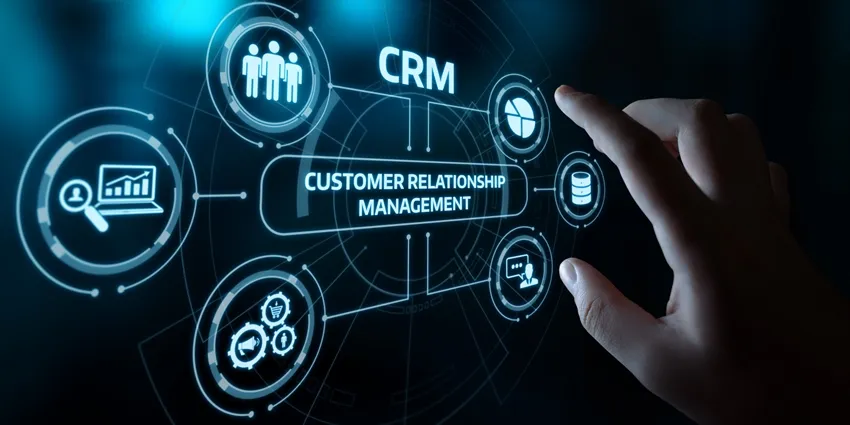
In an era where the digital landscape is shifting faster than ever, unforeseen innovations are revolutionizing how businesses operate. One radical strategy promises to redefine industry standards in ways previously deemed impossible.
The importance of staying ahead of the curve during this acceleration is paramount, as those who fail to innovate risk being left behind in the digital dust. Discovering these emerging strategies is more crucial than ever, especially right now.

Businesses are now adopting cutting-edge approaches like quantum computing and AI-driven analytics to reach new operational heights. Quantum computing isn't just a buzzword; it has already begun to solve complex problems at speeds unimaginable just a decade ago. Entire supply chains are optimizing in hours instead of weeks. But that’s not even the wildest part...
Even the most conservative industries are embracing virtual reality and blockchain to open new pathways for customer engagement. Think about real estate agents conducting remote property tours that feel real or a bank processing transactions with unprecedented transparency and security. Yet, it’s the current developments that could truly alter the business playing field...
What happens next shocked even the experts, as we dive deeper into the lesser-known facets of innovation-driven digital transformation. You won't believe how these trends could impact your everyday interactions and redefine old paradigms...
Quantum computing is transforming problem-solving paradigms, enabling previously untapped data processing capabilities. The technology's exponential power isn't just exciting; it's downright revolutionary. In sectors like pharmaceuticals, it’s leading to drug discoveries that seemed decades away. Yet, a lesser-discussed aspect is the shift in organizational culture that follows this technological leap. What you’ll discover next might just flip your perspective entirely.

Companies diving into quantum tech report heightened creative problem-solving skills among employees, driven by newfound data insights. Suddenly, answers to vexing questions are not just accessible but optimized for efficiency. Imagine faster climate modeling, leading to more precise environmental strategies. But don’t get too comfortable—there’s still a vital element we haven’t explored.
Despite its promise, integrating quantum computing into existing systems is fraught with challenges. It demands not only technological adjustments but a complete overhaul of conventional workflows and mindsets. As organizations scramble to keep pace, many find themselves caught in a web of evolving obstacles. But the most startling revelation is still out there...
But there’s one more twist. Beneath the surface, businesses are secretly tackling these hurdles by collaborating on an unprecedented scale, heralding a new era of open innovation. The necessity for such alliances reveals much about the silent challenges of quantum integration. Delving further will unveil insights that could change your viewpoint on digital cooperation entirely.
Artificial Intelligence isn’t just a tool; it's evolving into an intrinsic component of modern industries, steering decisions and strategies. From automating mundane tasks to generating predictive insights, AI is the very brain behind modern innovation. Yet, this surge of AI adoption has exposed a gap in skill sets—one that’s proving to be both a challenge and an opportunity. Here’s why this knowledge gap is critical.

Despite booming AI implementation, few professionals have the necessary expertise to harness its full potential, leading to numerous unfulfilled roles in the market. Companies are now investing heavily in training programs to cultivate in-house AI champions. This educational pivot suggests that the next big innovation may emerge from an unlikely source: within your existing workforce. What could be the bigger implication here?
The emphasis on lifelong learning and adaptability is reshaping corporate training programs, prioritizing AI-specific skills over traditional educational qualifications. As this trend evolves, we see a democratization of AI knowledge. This democratization might just redefine hierarchies within industries, preparing companies for unforeseen disruptions. Could that mean your next big competitor isn’t who you think it is?
This situation speaks to a larger truth—one that is quietly shifting the dynamics of innovation. It signals a future where the barriers to entry for groundbreaking technology may dissolve, empowering a broader range of players. Delve deeper into how these incremental shifts could culminate in a sweeping transformation.
While blockchain technology gained fame through Bitcoin and other cryptocurrencies, its real potential lies far beyond digital money. Cryptographic security coupled with transparency is creating unprecedented possibilities in trade and traceability. However, its penetration in sectors like healthcare and supply chain management is where true disruption is occurring. These innovations have ramifications you can’t yet imagine.
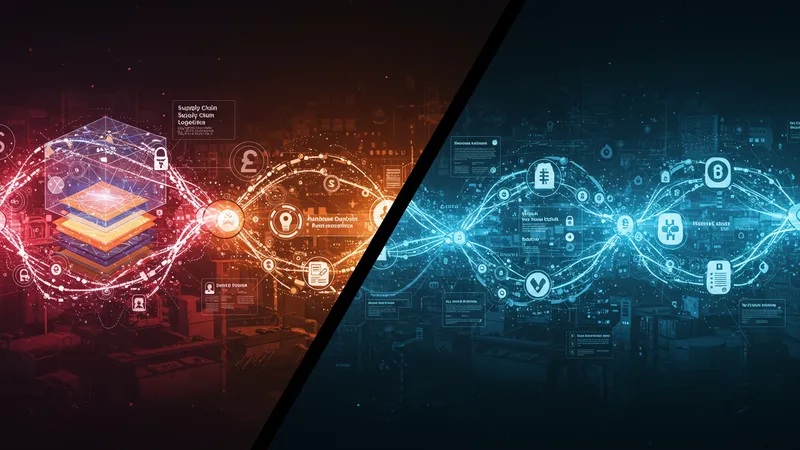
Using blockchain, hospitals are enhancing patient data security and integrity, ensuring more reliable information follows patients through differing health systems. This has led to new benchmarks in data exchange efficiency and patient safety, but there is more at play—more than meets the eye. There’s another layer to this decentralized revolution that’s about to unfold.
Workflows are being redefined as blockchain facilitates collaboration without sacrificing trust, streamlining operations, and cutting out middlemen. For supply chains, it provides newfound transparency, highlighting inefficiencies that can now be promptly addressed. But what does this reveal about the future of supply chain dynamics? The implications run deeper than you think.
It’s not just about creating efficiencies; it’s about forging a completely new paradigm of operation. This foundational technology could inspire almost radical transparency, forcing businesses to operate with unprecedented authenticity. Imagine the potential cultural shift in consumer trust. The repercussions might influence how brands are perceived. Don’t stop now—the unraveling of these truths is just beginning.
The promise of virtual reality (VR) has oscillated between potential and skepticism, but the real-world applications currently surfacing are anything but fictional. Sectors such as retail and education are experimenting with VR to provide immersive experiences, yet the most palpable change is in its subtle integration into everyday customer interactions, revealing much more than just novel use cases.
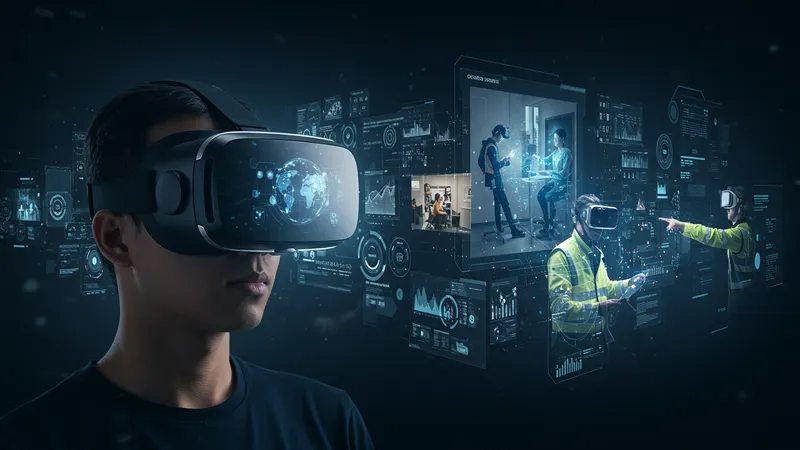
Retailers are using VR to construct virtual storefronts, making shopping a profoundly immersive experience. Additionally, universities are exploring virtual classrooms to bridge geographical gaps, offering a near-tangible global connectivity. However, it’s the leveraging of VR for worker training that might surprise you, showcasing potential impacts on workforce proficiency and efficiency.
These revelations are just scratching the surface, hinting at VR’s capacity to be an everyday utility rather than a novelty. What lies underneath this trend, however, is a distinct shift in societal expectations around engagement and interaction, suggesting a deeper technological bond. You won’t want to miss what comes next.
We’re on the brink of a significant transition, where VR is no longer seen as a virtual playground but as an essential element of business strategy. The next page could change how you perceive VR forever, offering radical insights into its integration within our digital evolution. Stay tuned to uncover more.
Amidst the pursuit of digital transformation, cybersecurity remains an omnipresent concern, lurking in the background of every technical innovation. Enhancements in security protocols are evolving alongside technological advancements, yet the mainstay of this evolution is in its psychology-based frameworks. This approach could redefine how we think about online safety.

Behavioral analytics are now being deployed to detect threats by studying user patterns and anomalies. This method of tracking offers a new layer of protection that could prevent breaches before they even occur. Despite these advancements, the real change lies in organizations adopting a ‘security-first’ culture. Here’s where the story gets deeper.
Security no longer merely consists of defensive strategies. Proactive engagement in cybersecurity practices is creating robust systems that anticipate and neutralize threats. This proactive mindset is gradually evolving into a business necessity, shaping the roles of security officers within organizations. But don’t be content just yet...
The implication extends beyond mere preventive measures. The explosion of interconnected devices calls for an extensive reevaluation of traditional security strategies. The pervasive need for more comprehensive protection across digital landscapes foreshadows a future where cybersecurity takes center stage in digital transformation strategies. Each click could redefine your perspective on digital security’s importance.
Automation has moved beyond the industrial realm, transforming sectors from finance to healthcare, introducing precision and efficiency previously unattainable. Yet the rise of automation comes with nuanced challenges and opportunities that demand closer inspection. Behind the promise of seamless workflows lies an ethical quandary fraught with challenges.
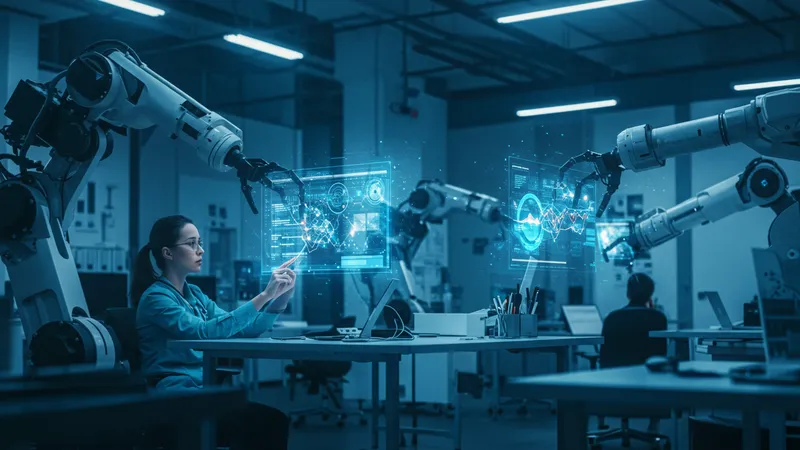
For many, automation is synonymous with job displacement, a fear based more on perception than fact. The real opportunity lies in repositioning human capital to higher-value roles, aligning talent development with automation strategies. This pivot is driving companies to rethink workforce distribution, leading to innovative resolutions that defy conventional employment paradigms.
But the story isn’t that straightforward. Automation is spawning an economic ripple effect that affects industries and workers alike, altering the very landscape of the labor market. By understanding its broader implications, organizations can leverage this transformation strategically. However, the real surprises lie beneath the surface...
So, what if automation isn’t the disruptor it’s made out to be? Instead, consider it an evolution toward more innovative, human-centered value creation. This perspective reshapes not only how businesses employ automation but how they embrace broader technology-driven paradigms. Stay for the journey, as we deconstruct automation step by step.
Digital twins, a concept that might seem straight out of science fiction, are becoming a pivotal element in digital transformation. By creating real-time digital replicas of physical processes, objects, or systems, businesses are achieving a more intimate understanding of operational efficiencies. But there’s a surprising element to consider: what happens when the simulation becomes smarter than the source?

This technology enables organizations to predict system failures, optimize production lines, and even simulate future scenarios with astonishing accuracy. By performing ‘what-if’ analyses, companies are making informed decisions that save both time and resources. However, the most profound effect is how these virtual replicas impact strategic planning.
The implications of digital twins extend far beyond optimization, bringing about unparalleled flexibility in responding to unexpected challenges. Disrupting traditional models, they offer a new avenue for experimentation without real-world risks. The authenticity of this integrated approach hints at an evolving relationship between the physical and digital realms.
Could this convergence lead to a future where digital twins play an integral role in innovation strategies? As you learn more, you’ll uncover how digital twins could redefine the landscape of industry through intricate simulations, enhancing efficiency like never before. Brace yourself for the insights still to come on this revolutionary journey.
The cloud, once an obscure tech concept, is now the underpinning of modern digital infrastructure. Beyond its storage capabilities, it’s becoming a driving force behind strategic flexibility, cost efficiency, and collaborative potential. Talking points often overlook its hidden strength, which could fundamentally recast operational dynamics.

The true magic of cloud technology lies in its adaptability. From dynamic scaling to real-time analytics, the cloud empowers enterprises to act with agility. Startups and seasoned companies alike can capitalize on cloud services to unleash innovation without extensive capital outlay. The enigma, however, is how quickly these advantages can become dependencies.
As organizations migrate to the cloud, new challenges arise, such as managing data sovereignty and regulatory compliance across borders. Navigating these issues requires strategic foresight and precise execution. The narrative isn’t complete without examining potential pitfalls that could dictate future discussions around cloud solutions.
What’s next? Expect the convergence of cloud computing with other emerging technologies, deepening its role in strategy evolution. The interplay between innovation and infrastructure could lead to breakthroughs that redefine how digital transformation is achieved. This intricate weave is just the beginning of the puzzle.
The Internet of Things (IoT) is quietly revolutionizing industries by bridging the gap between the digital and physical. By interconnecting devices, it allows for unprecedented levels of data collection and analysis, opening doors to insights that are reshaping all facets of business strategy. Its silent power is even greater than you suspect—it’s the unsung hero of transformation.
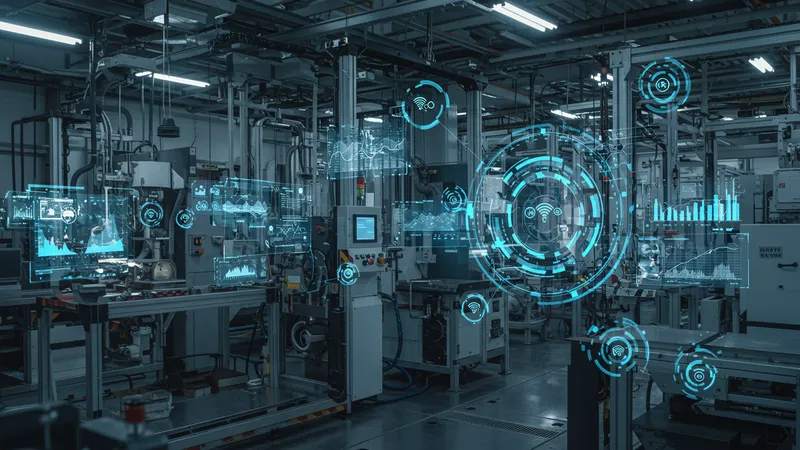
In manufacturing, IoT is propelling gains in productivity and efficiency by facilitating predictive maintenance and real-time operational insights. These improvements extend throughout the supply chain, boosting transparency and enabling swift adaptation to change. Yet, this is merely the preliminary phase of IoT’s potential.
The foresight IoT provides is revolutionizing customer interaction models, forecasting needs before they arise, redefining personal experience metrics. As devices become more interconnected, companies are crafting hyper-personalized marketing and product offerings. However, the intricacies involved hold even more insights to be discovered.
The eventual convergence of IoT with advanced AI and machine learning carries broader implications for industries, marking a turning point that redefines interaction paradigms. This fusion envisions a seamless integration of technology within everyday life, propelling businesses to discover untold opportunities. The journey of revelation continues.
As organizations undergo digital transformations, the focus is shifting toward employee usability and adaptation strategies. Modern tech-driven landscapes demand not just technical proficiency, but a seamless alignment of user experience with organizational goals. Employee adoption rates are pivotal to the success of these transformations, yet they’re often overlooked in strategic planning.

Most transformation initiatives fail at the implementation stage, because of a deficit in user engagement and adaptation measures. This frequent oversight is driving companies to adopt user-centered approaches, prioritizing intuitive processes and coherent training programs. But implementation is just the beginning—the ripple effects are worth examining more intricately.
The employee experience in digital transformation isn’t an underlying factor but rather a cornerstone for sustainable success. Facilitating effortless transitions through tailored support systems enhances both productivity and morale. The chain reaction of this focus on usability results in tangible improvements in how employees engage with transformative changes.
However, the narrative extends beyond surface-level adaptations. User experience (UX) influences broader organizational dynamics, establishing a culture of continuous improvement and innovations among teams. Realizing this link could be the catalyst that amplifies digital transformation impacts. Peel back the layers to expose deeper implications within employee-centric strategies.
In a rapidly evolving digital landscape, leadership styles are transforming at an equally brisk pace. The era of command and control is giving way to agile, open-minded leadership approaches that promote collaborative innovation. But is this latest evolution in leadership more than just a trend? It might just be the secret ingredient to successful transformations.

Leaders in today’s digital-centric arenas are no longer taskmasters but facilitators of change, fostering environments where creativity and efficiency thrive. This shift involves embracing technological fluency while balancing the human element inherent in leadership. The balance is a sophisticated dance, and getting it wrong can have broader implications.
Navigating digital transformation without innovating leadership tactics is akin to plotting a course without a map. As industries reshape under the influence of advanced digital tools, the art of leadership is being redefined. Uncovering these evolving dynamics may reveal unexpected pathways to personal and enterprise growth.
There’s an unspoken frontier emerging at the intersection of technology and leadership, setting the stage for reinvented business practices and thought leadership. The transformation of leadership roles could have unforeseen ripple effects on broader organizational structures. Keep exploring to uncover how these convergences manifest, promising profound insights.
As digital transformation accelerates, questions of ethics loom larger than ever before. Trust and privacy concerns have moved to the forefront of strategic priorities, presenting organizations with challenges that transcend technical innovation. The reason? The ethical considerations stretch far beyond compliance; they redefine transformation itself.

Organizations are grappling with data stewardship responsibilities as they navigate ethical minefields, striving to maintain transparent operations. User trust is precious currency, and mishandling it can derail even the most innovative endeavors. But the narrative isn’t that straightforward, as deeper explorations reveal more complexities.
Data ethics isn’t limited to just safeguarding information—it influences algorithmic transparency and bias neutrality. The implications extend to how technologies like AI are deployed, demanding frameworks that ensure fairness and accountability. It’s within these nuances that the next chapter of ethical business practices emerges.
The arena of digital ethics is evolving into a battleground for businesses aiming to align technological advancements with societal values. Understanding and embracing this challenge could redefine what successful transformation entails. The final insights on this page hold the key to appreciating the full scope of this transformative issue.
While often perceived as a constraint, regulations can play an unexpected role in driving innovation. Many organizations view them as hurdles, but the surprising truth is that regulations frequently serve as catalysts for advancement. This paradox challenges conventional views on compliance and strategic growth.

Regulatory contexts demand engagement and creativity, compelling businesses to reassess processes and innovate under pressure. Seen from one angle, compliance requirements stimulate improvements in data security, quality standards, and market transparency. Yet, the real intrigue lies in their unpredictable effects on innovation cycles.
As businesses navigate these regulations, an unexpected synergy often emerges between regulatory obligations and innovation strategies. It prompts organizations to explore creative solutions, fostering an environment ripe with potential. The outcome of this synergy might be the hidden lever for breakthroughs that seemed unattainable.
The intertwining of regulation and innovation extends further than anticipated, signaling changes in market dynamics and strategic visions. Could this unexamined influence be the keystone of modern transformation success? Explore deeper to understand how this interplay supports a robust digital landscape.
Sustainability in digital transformation has graduated from a trendy buzzword to a fundamental expectation. Balancing technological progress with environmental consciousness is reshaping the models upon which decisions are based. It’s no longer about quick wins; the focus has shifted toward long-term, conscious strategies.

Forward-thinking companies are embedding sustainability into their DNA, using technology as a lever to minimize their environmental impact. This integration goes beyond mere corporate responsibility; it aligns with a broader cultural shift. However, despite ambitious aspirations, executing sustainable transformations comes with its own nuanced challenges.
The complex dance between technological adoption and environmental stewardship requires balancing innovation with resource conservation. Recognizing the interdependence between economic growth and sustainability could steer companies toward more resilient futures. There’s an art to this balance that offers more than meets the eye.
Sustainability intertwines with broader impacts on brand equity and consumer perception, often influencing competitive positioning. Integrating sustainability isn’t just about staying relevant; it’s a value proposition that sustains growth. The narrative of sustainable transformation might just illuminate the path forward amid digital disruption.
What unravels next might be the most profound transformation story of all. These driving forces are reconstructing the technological landscape, bringing new dimensions to business strategy and innovation. To remain relevant, continuous engagement with these evolving trends is vital. However, as these tactics unfold and reshape our world, one thing remains steadfast—adaptation is a journey without an endpoint.
The true power of these digital transformation approaches lies not just in their deployment but in how seamlessly they're integrated into every facet of business strategy, influencing decisions at the highest levels. These tales are a reminder of the untapped potential that lies dormant, ready to be awakened by those daring enough to challenge the status quo. What’s your role in this unfolding story of innovation?